
- Home
- Blog
- Friedrich Merz Breaks His Silence in a Major Interview: His Warning About Germany's Future Is Getting Attention
Friedrich Merz Breaks His Silence in a Major Interview: His Warning About Germany's Future Is Getting Attention
Germany's chancellor is facing political pressure, economic uncertainty and growing questions about Europe's future. In a revealing interview, Friedrich Merz made clear that he has no intention of abandoning his plans.
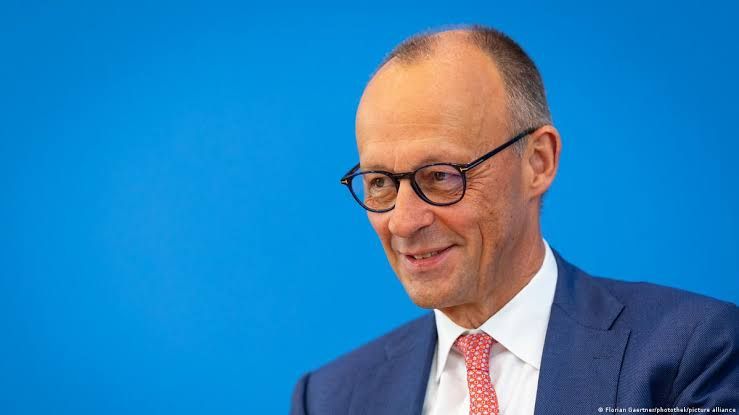
November 3, 2026 · 5 min read · GRC Advisory Online
Berlin — November 3, 2026 Germany is facing one of its most important periods of economic and political transformation in recent years. Industrial competitiveness, artificial intelligence, international trade and the future of Europe's largest economy have become central questions for the country's political leadership. At the center of the debate stands Chancellor Friedrich Merz. In an interview with the Financial Times, published on October 15, Merz addressed growing pressure on his government, difficult economic reforms and questions about his political future. His message was clear: he intends to continue governing despite criticism. But behind the political headlines lies a much larger story. Germany is attempting to redefine its economic future at a time when new technologies and international competition are changing the global balance of power.
The Interview That Put Friedrich Merz Back in the Spotlight
The interview came during a challenging period for Germany's governing coalition. Merz faced criticism from political opponents and growing dissatisfaction within parts of his own party. Recent regional election results had added to the pressure. During the conversation, the chancellor was asked whether he would consider stepping down. He rejected that possibility. Instead, he emphasized the importance of implementing structural changes to Germany's social security system and strengthening the country's economic position. The remarks attracted attention because they demonstrated his determination to continue pursuing reforms even when those policies are unpopular. Merz presented himself as a leader focused on long-term decisions rather than short-term approval.
Why Germany's Economy Is at a Turning Point
For decades, Germany's economic success has depended heavily on manufacturing, engineering and international exports. Its automotive, chemical and machinery industries have played important roles in global supply chains. However, the international economic environment is changing. Companies face increasing competition from Asian and American manufacturers. Energy costs remain an important consideration for industrial businesses. Digital transformation also requires substantial investment. At the same time, demographic changes are creating additional pressure on Germany's pension and social security systems. These challenges explain why Merz considers economic reform a major priority. The government's stated objective is to improve competitiveness, attract investment and create conditions for sustainable growth.
The Chancellor's Position on Difficult Reforms
In his October interview, Merz defended the need for significant changes to Germany's welfare and economic systems. His argument is that delaying reforms could make the country's long-term problems more difficult to solve. Supporters believe structural changes are necessary to protect Germany's economic future. Critics question whether the proposed measures will distribute financial burdens fairly. The debate is especially important for workers, pensioners and families. Changes involving retirement, healthcare or social contributions can directly influence household finances. For that reason, the government's proposals continue to face public scrutiny. Merz has acknowledged the political difficulties associated with reform. However, his statements indicate that he considers such decisions essential.
A New Warning About Artificial Intelligence
On November 2, 2026, Merz delivered another important message during an artificial intelligence conference in Berlin. He argued that Germany and Europe must develop stronger technological capabilities rather than become excessively dependent on foreign AI providers. The chancellor described technological independence as a fundamental strategic concern. His comments focused on what policymakers call digital sovereignty. The term refers to the ability of countries and institutions to develop, operate and control important digital technologies. That includes computing hardware, software, data infrastructure and artificial intelligence systems. For Germany, achieving greater technological independence would require cooperation between businesses, researchers and government institutions.
Why Artificial Intelligence Could Change Everything
Artificial intelligence is becoming increasingly important to modern economic activity. Manufacturers use AI to analyze production processes and support quality control. Software companies are integrating intelligent assistants into digital products. Healthcare researchers are exploring AI applications in scientific analysis. Financial institutions are investigating automated systems for fraud detection and administrative tasks. These developments could create opportunities for productivity improvements. But the technology also introduces challenges involving security, employment and infrastructure. Merz believes Germany must respond by strengthening domestic innovation and investing in technological capabilities. His November remarks emphasized that Europe should participate directly in developing the technology rather than relying entirely on external suppliers.
Germany Wants to Attract Global Investors
In October, Merz also spoke at the Invest in Germany Summit in Berlin. He encouraged international companies and investors to consider opportunities in the German economy. His remarks highlighted areas such as robotics, automation, semiconductor technology, quantum computing and advanced manufacturing. These industries are increasingly important to international competition. Germany has substantial experience in engineering and industrial production. However, developing new technological sectors requires additional investment and specialized skills. The government hopes to combine existing industrial strengths with emerging technologies. The strategy could influence employment, productivity and Germany's position in international markets.
Why Europe Is Watching Merz Closely
Germany is the largest economy in the European Union. Its economic performance influences trade, investment and industrial activity across the continent. As chancellor, Merz also plays an important role in European discussions about competitiveness and international relations. During the October European Council summit, he emphasized the importance of a stronger and more economically independent Europe. He also supported greater coordination between European countries on trade policy. The objective is to improve Europe's ability to respond to international economic competition. However, achieving agreement among EU member states can be difficult. Countries have different economic interests and budget priorities.